
Operational performance
Identify avoidable demand across vehicles, buildings, depots and supporting systems.
Explore performance services
Engineering, energy intelligence and investment support for fleet, rail, depot and logistics systems where uptime, infrastructure and energy demand must work together.
What drives the cost: select a factor to explore how it affects energy demand, capacity and operational decisions.
Zerith combines energy data, operational context and engineering review to identify measures that improve efficiency without obstructing service delivery.
Establish a useful baseline across vehicle groups and operating conditions so performance can be understood in context.
The question: how does energy use change by duty, route and vehicle?The aim is a prioritised programme of low-risk operational improvements, planned upgrades and longer-term investment decisions.
Engineering, energy intelligence and investment support for transport systems where service continuity matters.
Identify avoidable demand across vehicles, buildings, depots and supporting systems.
Explore performance servicesCoordinate energy reporting and compliance evidence across sites, vehicles and organisational boundaries.
Explore energy complianceCreate one structured dataset for vehicles, depots, stations and logistics facilities.
Explore portfolio managementPlan fleet transition, charging, infrastructure and capital investment using credible engineering evidence.
Explore Net Zero planning
Surface anomalies and parasitic consumption for informed review.

Compare a mixed portfolio using relevant asset and operating variables.
Keep verified evidence available for reporting, transactions and future improvement.
ZECO brings energy, operational and engineering information into one structured view, helping teams move from reporting to prioritised action.
ZECO supports analysis and prioritisation; it does not replace engineering review or guarantee savings.
Book a ZECO DemonstrationChoose the level of support that fits your internal capability, operational context and next decision.
Independent expertise. Practical outcomes.
Zerith combines more than 50 years of collective consultancy experience with hands-on expertise across building performance, energy compliance, infrastructure and Net Zero delivery.
The team brings CIBSE Low Carbon Consultant capability, ESOS Lead Assessor expertise and advanced IES Virtual Environment modelling to turn technical evidence into commercially prioritised action.
Transport and logistics clients work with specialists who understand that vehicle transition, electrical infrastructure, buildings, operations and investment decisions must be coordinated.
Collective experience across engineering, energy, building performance and Net Zero delivery.
Low-carbon consultancy capability supporting engineering review and energy improvement planning.
ESOS assessment capability aligned with each organisation’s qualifying status and operational needs.
Specialist support for heat-network generation, distribution and performance considerations.
Assessor capability to support energy-management system review and evidence.
Advanced modelling capability to examine scenarios and inform planning decisions.
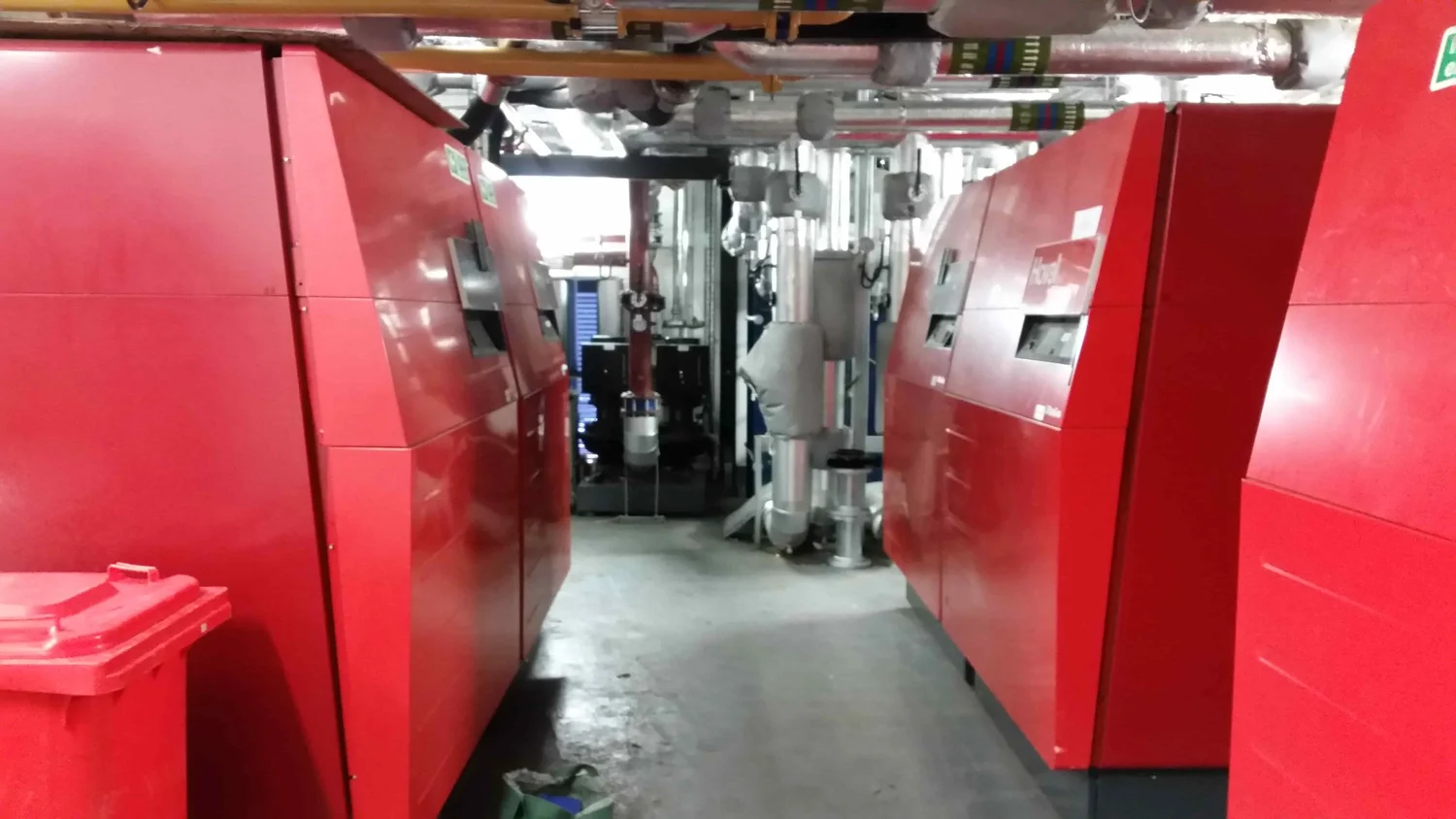
Zerith assessed operational requirements and compared electric, hydrogen-based and drop-in sustainable fuel options against real-world use, infrastructure constraints and long-term viability.
Yes. The scope can combine fleet or rail energy with depots, stations, warehouses, workshops and associated infrastructure.
Yes. Zerith can review demand profiles, diversity, maximum demand, electrical capacity, charging strategy and investment phasing.
Performance can be normalised using distance, payload, duty cycle, operating hours, vehicle type and other relevant variables.
Yes. Availability, maintenance, operating windows and resilience are treated as core design constraints.
Yes. Roadmaps can coordinate vehicle replacement, infrastructure, energy supply, operational change, cost, carbon and programme risk.
Start with a focused discussion about your vehicles, journeys, sites, electrical capacity and investment timetable.