
Independent Engineering Oversight for Construction & Infrastructure Projects
Ensuring buildings and infrastructure perform as designed — from concept through to operation
Zerith provides independent, engineering-led oversight across commercial construction, infrastructure, and energy infrastructure projects — validating design intent, installation quality, commissioning, and operational performance.
From technical due diligence and design review through to commissioning, witness testing, and post-occupancy optimisation, we act on behalf of clients to reduce risk, improve outcomes, and protect long-term asset value.
From Design to Operation
Supporting projects from concept through to long-term performance
Independent Engineering Assurance
Protecting design intent and validating delivery quality across projects
25+ Years Infrastructure & Energy Expertise
Experience across commercial, public sector, and complex operational assets

The Problem
Why Construction and Infrastructure Projects Underperform
Design Intent Does Not Translate Into Operational Reality
Across construction and infrastructure projects, systems are often designed to meet performance targets — but fail to deliver these outcomes in operation.
❌ Limited independent review of engineering design and specification
❌ Installation quality not aligned with design intent
❌ Inadequate commissioning and system validation
❌ Fragmented responsibility across contractors and suppliers
❌ Limited post-handover visibility of system performance
❌ Energy, compliance, and operational performance treated separately
As a result, buildings and infrastructure underperform, energy costs increase, and expected operational outcomes are not realised, exposing organisations to long-term performance and compliance risks.
Design Performance vs Operational Reality
The chart below highlights a Zerith review of an operational building where actual heat consumption significantly exceeded design expectations.
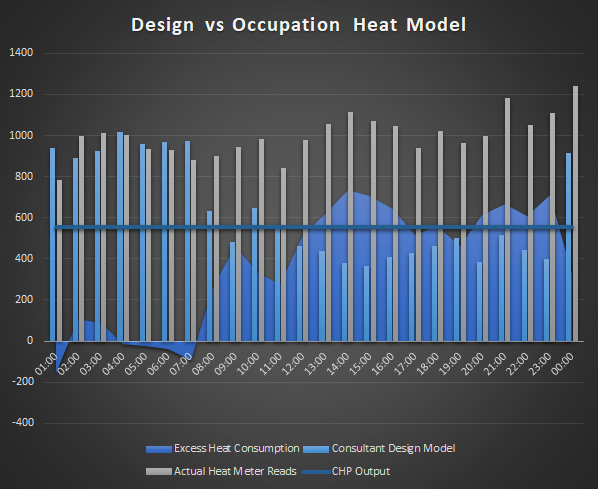
Impact to Client: >£250k/year excess cost and elevated carbon exposure due to unvalidated design changes, commissioning, and control failures.
The Solution
Independent Engineering Oversight Across the Full Asset Lifecycle
From Design Through to Operational Performance
Zerith provides independent engineering assurance across construction, infrastructure, and energy infrastructure projects — ensuring performance-critical systems are validated at every stage of delivery..
We ensure that:
Design intent is robust, practical, and aligned to operational needs
Systems are installed correctly and meet the approved specification
Commissioning is thorough, and performance is verified
Assets transition into operation with clear visibility and control
What This Delivers
✔ Reduced technical and commercial risk
✔ Improved system performance and efficiency
✔ Alignment between design, installation, and operation
✔ Greater confidence in project outcomes
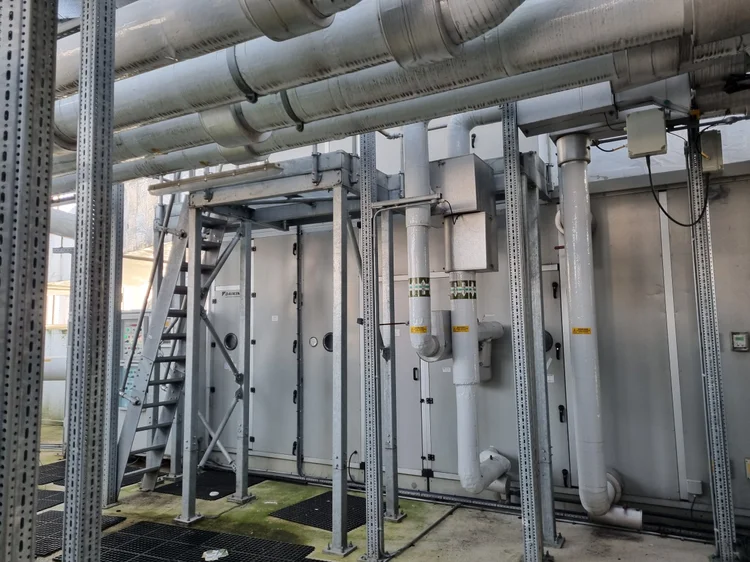

Our Services - Where We Apply This Expertise
Zerith provides independent engineering assurance across six core areas of project delivery: applying the same independent engineering approach across both mainstream built assets and performance-critical energy infrastructure.
Zerith provides independent engineering assurance across four core areas of project delivery:
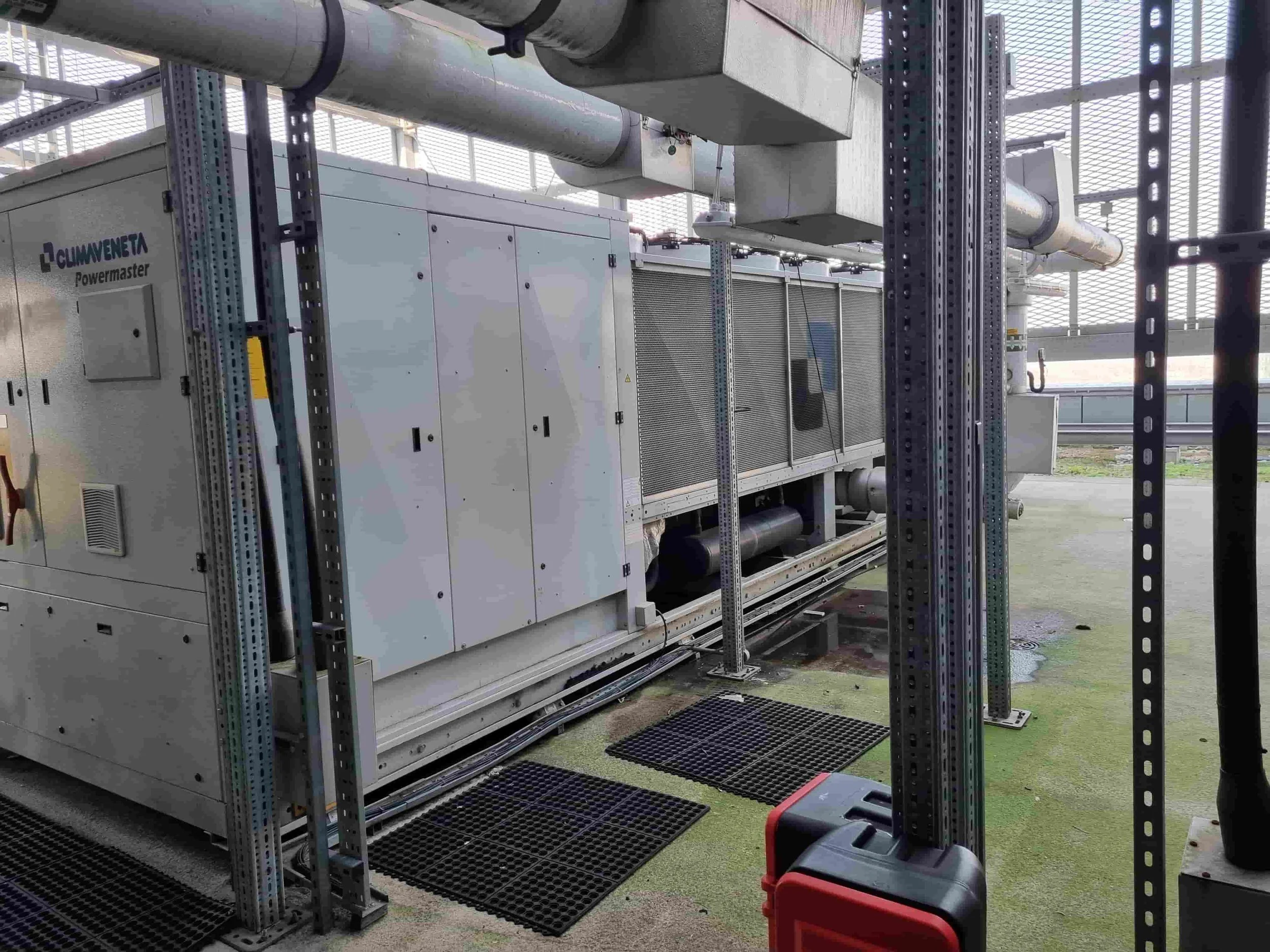

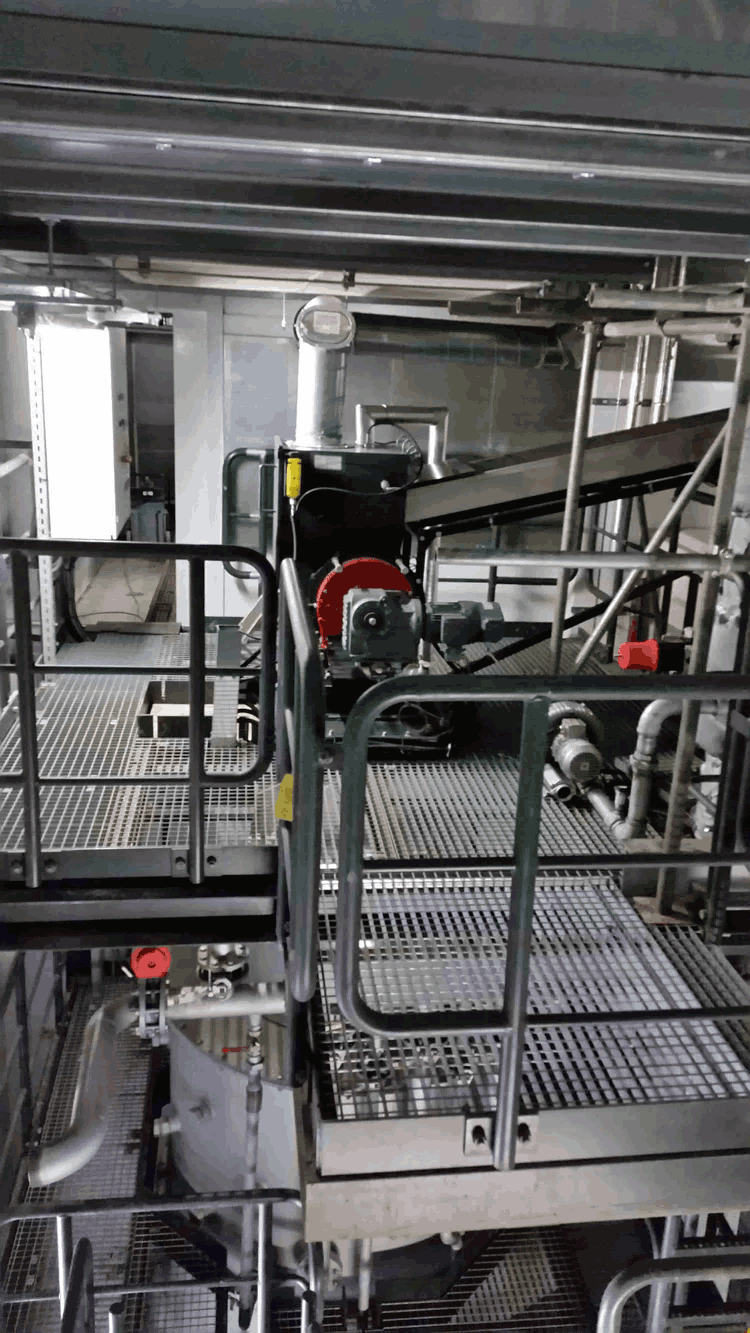
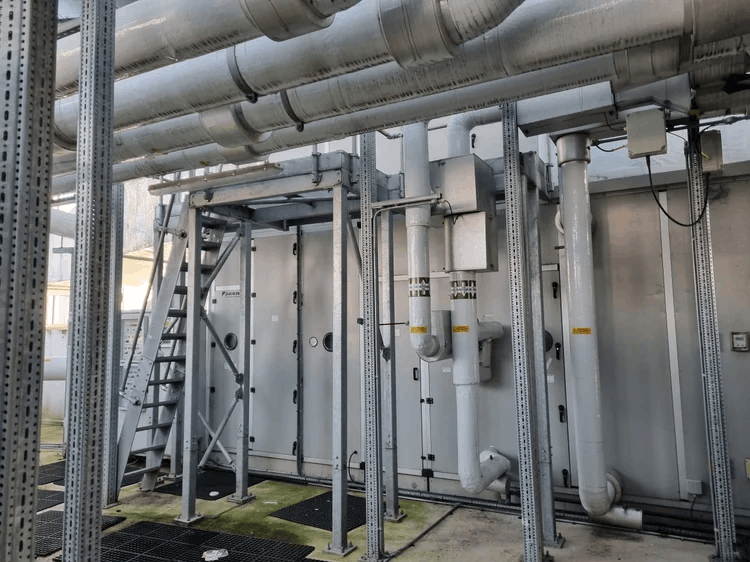
Technical Due Diligence & Design Review
Independent review of engineering design, specifications, and supplier proposals to ensure technical robustness and alignment with performance objectives.
✔ HVAC and building services design review
✔ Energy strategy validation
✔ Renewable energy feasibility and review
✔ Identification of technical and commercial risk
Clerk of Works & Independent Certification
On-site engineering oversight to verify installation quality and ensure systems are delivered in line with design intent.
✔ Installation quality assurance
✔ Verification against design and specification
✔ Contractor accountability and coordination
✔ Progress validation and reporting
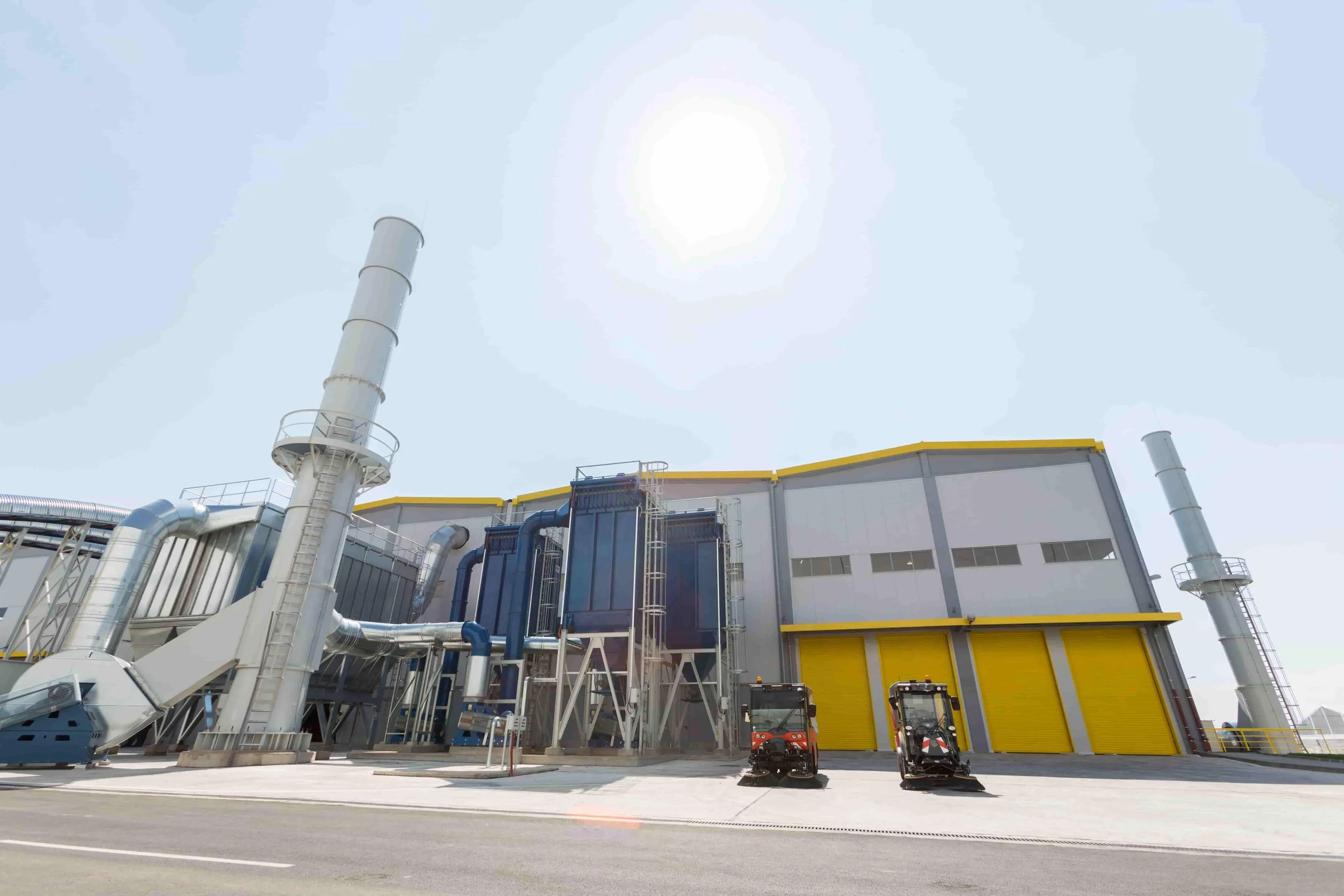
Energy Infrastructure
Independent engineering support applying the same rigorous vetting, oversight, commissioning, and verification model used across construction projects.
✔ Witness testing of HVAC and energy systems
✔ Waste-to-energy
✔ CHP’s
✔ Heat Pumps
✔ Energy Centres
✔ Performance-critical infrastructure projects
✔ Water Treatment
Ensuring systems are properly commissioned and perform as intended.
✔ Witness testing of HVAC and energy systems
✔ Functional performance validation
✔ BeMS and controls verification
✔ Identification and resolution of performance gaps
Transport & Wider Infrastructure
Support for transport and infrastructure assets where performance, energy efficiency, and delivery quality must be validated in operation.
✔ Fleet benchmarking
✔ Alternative fuel evaluation
✔ EV Fleet, and EV Charging Infrastructures
✔ Hydrogen fleet solutions, and
✔ Fleet evaluation
✔ Cost planning
Bridging construction and operation:✔ Validation of energy and system performance
✔ Identification of inefficiencies and optimisation opportunities
✔ Alignment with compliance and reporting requirements
✔ Transition into ongoing performance management
The same independent engineering principles apply whether Zerith is supporting a commercial building project, a public sector estate, or complex energy infrastructure such as biomass, waste-to-energy, or water treatment systems.

Commissioning, Witness Testing & Validation
Post-Occupancy Performance & Optimisation
Supporting Complex Projects Across Sectors
Zerith provides independent engineering support across a wide range of construction and infrastructure environments.
✔ Commercial office developments and mixed-use assets
✔ Industrial and manufacturing facilities
✔ Public sector and custodial estates
✔ Hospitals and Local Healthcare Trusts
✔ Transportation
✔ Universities and Educational
✔ Renewable Power Generation and Infrastructure

Integrated Engineering Expertise Across the Full Asset Lifecycle
Zerith supports projects at every stage — ensuring performance is embedded from concept through to operation.
Construction & Delivery
Providing independent oversight during installation and commissioning to ensure systems are delivered correctly.
Operational Optimisation
Supporting post-occupancy performance, efficiency improvements, and long-term asset management.
Strategic Planning
Defining energy, infrastructure, and performance requirements aligned to operational and investment objectives.
Design & Specification
Reviewing and validating engineering designs to ensure practicality, efficiency, and compliance.
Handover & Commissioning
Validating system performance and ensuring operational readiness.
Construction is not the end of the process — it is the foundation for long-term energy performance and operational success.
From Project Delivery to Operational Control
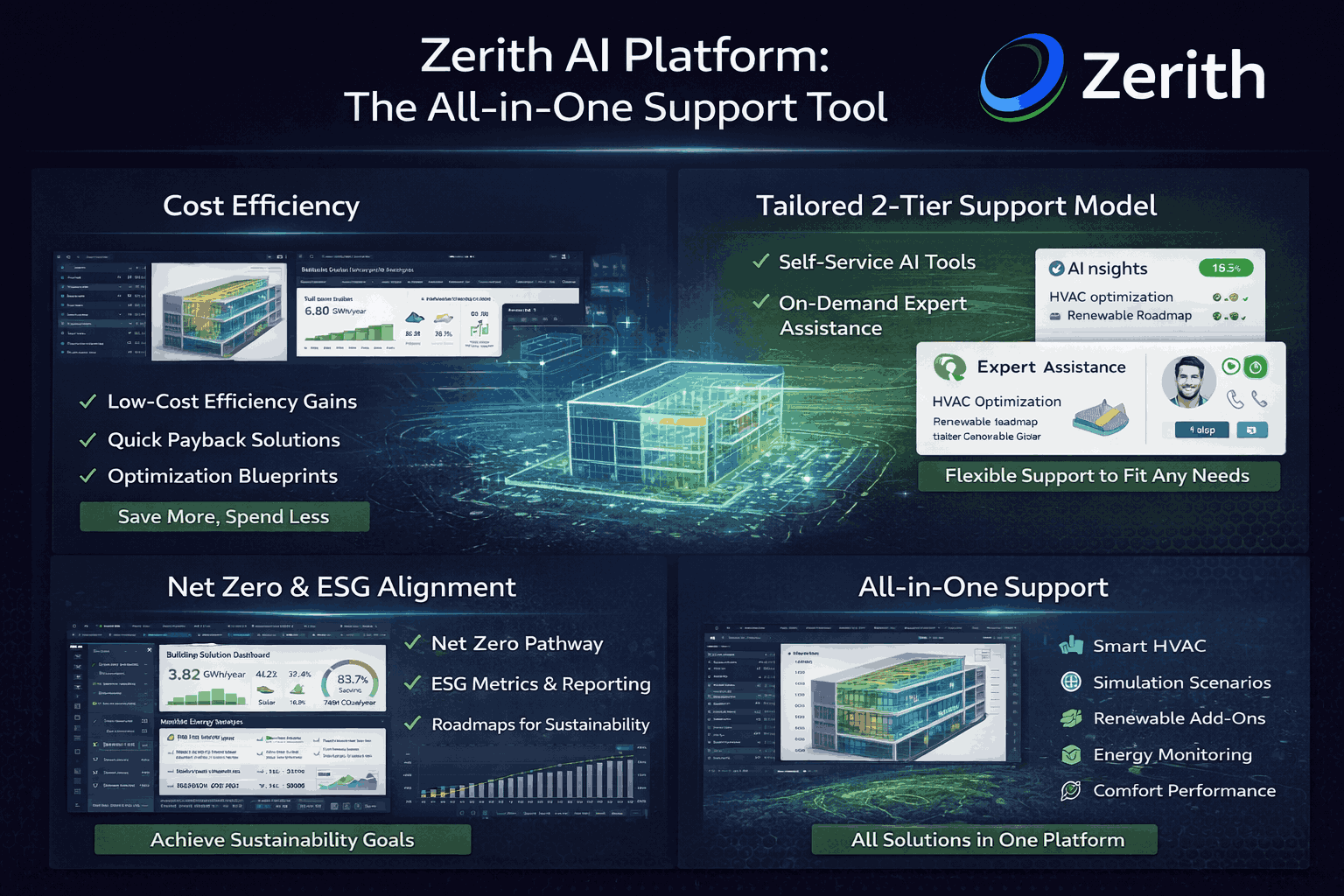
Zerith connects construction outcomes into long-term performance using ZECO AI — enabling structured data capture, validation of system performance, and ongoing optimisation post-handover.
From Project Delivery to Operational Performance
Zerith supports the transition from construction into operation — ensuring systems are not only delivered correctly, but continue to perform as intended through structured monitoring, validation, and ongoing optimisation.

Independent Engineering Oversight Across the Full Asset Lifecycle
Zerith goes beyond traditional consultancy by focusing on outcomes, not just process.
We combine engineering expertise with a structured, practical approach to ensure that solutions are:
Deliverable in real-world environments
Aligned with operational requirements
Capable of being implemented by internal teams
Designed to support long-term performance improvement
Where appropriate, we support capability development within client teams — ensuring knowledge is retained, and systems can be effectively managed beyond project delivery.

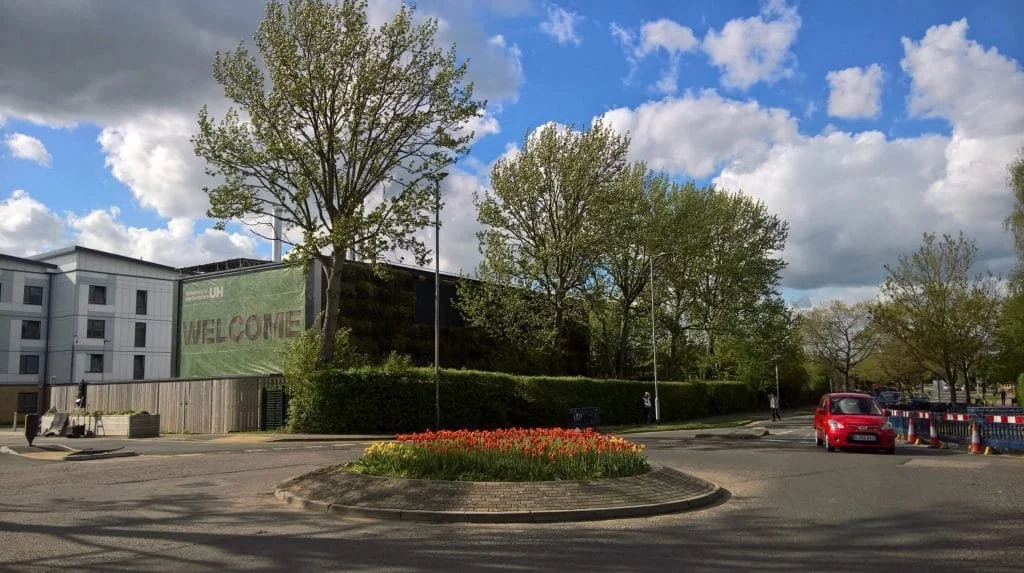
PFI University Estate — Biomass & Cooling Integration
Challenge:
Delivery of a landmark, low-energy building incorporating multiple complex systems — including natural ventilation, low-energy mechanical ventilation, biomass heating, and river-based cooling.
The project required careful coordination to maintain the original low-energy design intent throughout detailed design, construction, and commissioning, given the high risk of performance gaps due to system complexity and integration requirements.
Approach:
We provided technical management and engineering oversight across both design and construction phases, acting on behalf of the client to ensure that all systems were:
Properly coordinated and aligned with the low-energy design strategy
Technically robust, buildable, and suitable for real-world operation
Installed and commissioned in accordance with design intent
This included ongoing review of building services design, integration of natural and mechanical ventilation strategies, validation of biomass and river cooling systems, and oversight of commissioning to ensure performance outcomes were achieved.
Outcome:
✔ Complex low-energy building successfully delivered in line with design intent
✔ Natural ventilation, low-energy systems, biomass, and river cooling are fully integrated
✔ Systems installed, commissioned, and validated for operational performance
Impact:
A high-performing, landmark low-energy building delivered with engineering integrity — reducing the risk of performance gaps, ensuring operational reliability, and demonstrating how complex low-energy design can be successfully translated into real-world performance.
These examples demonstrate Zerith’s ability to translate engineering expertise into practical, scalable project outcomes.
Proven Delivery Across Construction and Energy Infrastructure
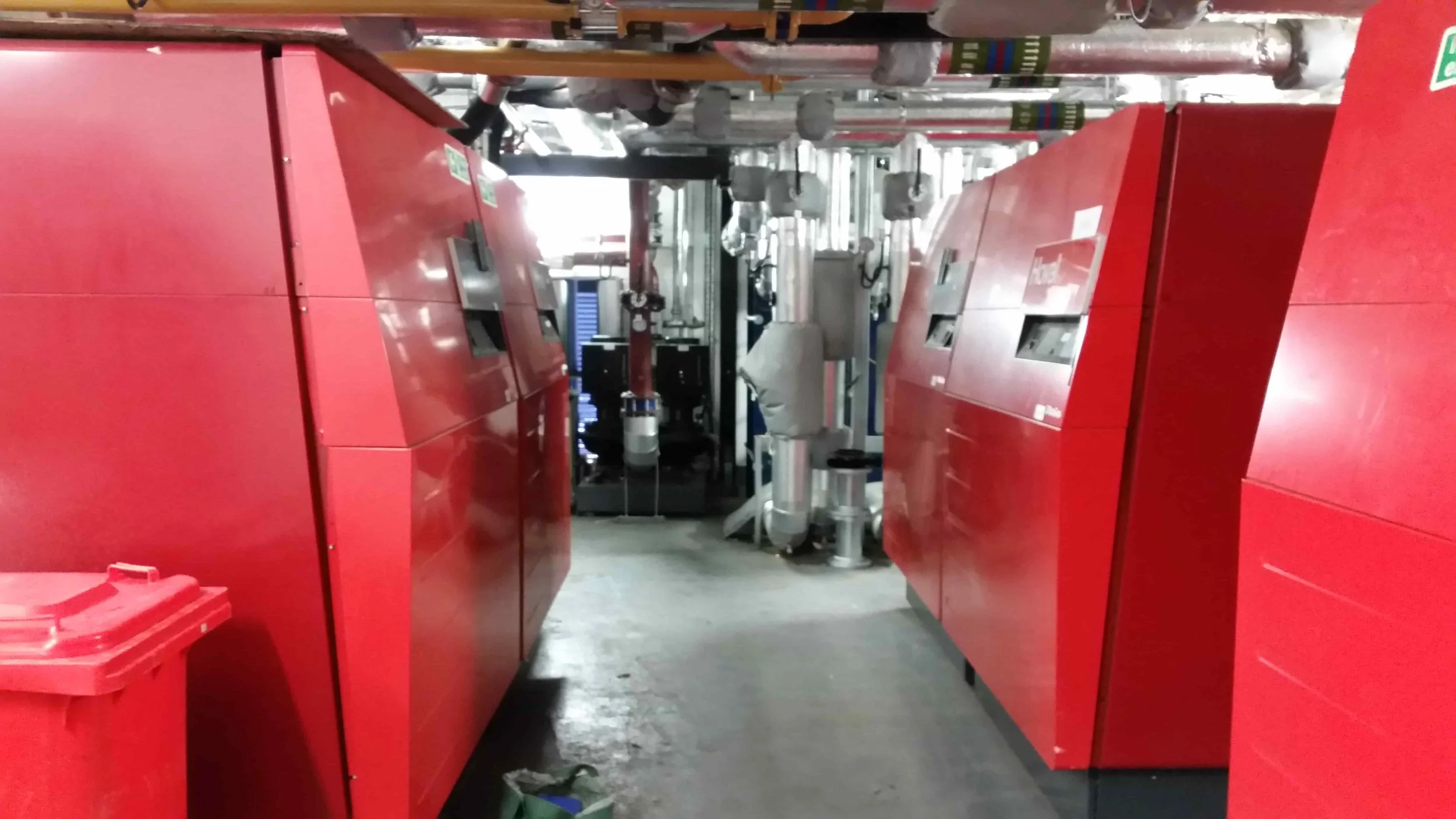
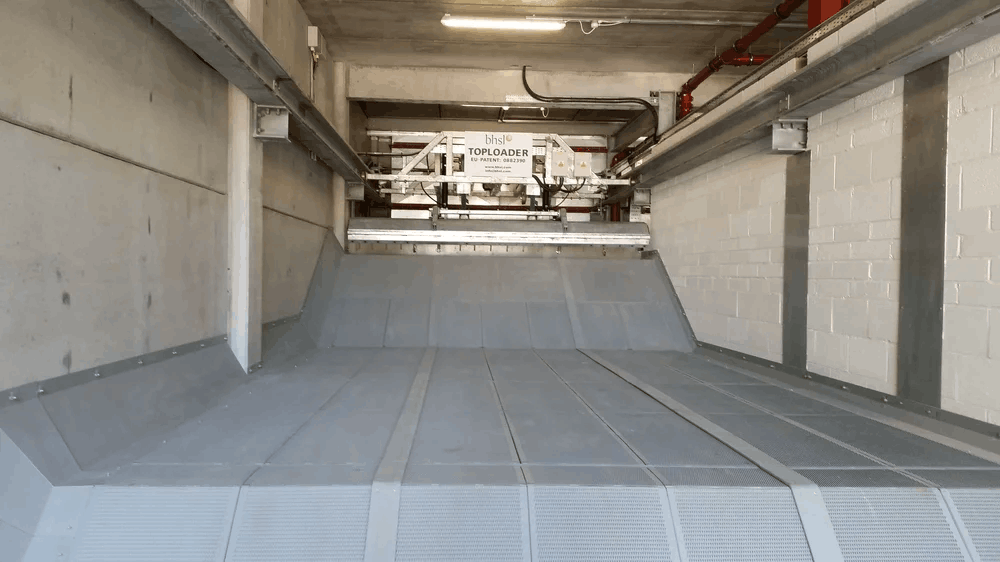
Custodial Estate — Biomass & CHP Energy Centre
Challenge:
Delivery of a complex energy generation system within a live operational environment, requiring reliable performance, efficiency, and integration with existing infrastructure.
Approach:
Zerith provided engineering-led oversight across the design and delivery phases, including validation of biomass and CHP system integration, review of technical specifications, and support through installation and commissioning.
Outcome:
✔ Integrated biomass and CHP energy centre delivered successfully
✔ Systems installed and commissioned in line with design intent
✔ Reliable and efficient energy generation capability established
Impact:
Reduced operational risk, improved system reliability, and a validated energy generation solution capable of supporting long-term performance and cost control.
Fleet & Transport Decarbonisation
Challenge:
Transitioning a mixed transport fleet (Car, Van, HGV) to lower-emission solutions without impacting operational performance or service delivery.
Approach:
Zerith assessed operational requirements and evaluated both electric and hydrogen-based solutions, as well as the use of drop-in sustainable liquid fuel, aligning technology selection with real-world use, infrastructure constraints, and long-term viability.
Outcome:
✔ Clear transition pathway for fleet decarbonisation
✔ Alignment between operational needs and technology selection
✔ Identification of practical, implementable solutions
Impact:
Reduced long-term cost exposure and operational risk, with a structured approach to transitioning transport infrastructure without disrupting core operations and allowing the securing of investment to implement over a 10-year programme.
Proven Project Delivery
Zerith’s construction and infrastructure expertise is fully integrated with our wider energy, compliance, and performance services.
This ensures:
Projects align with long-term operational performance
Compliance requirements are embedded early
Systems and data are structured for ongoing management
Discover more about our other services below:
Zerith, your complete Energy Transition Partner
-
The UK has committed to achieving Net Zero by 2050. Local authorities, corporations, and property owners across the country are setting ambitious carbon reduction targets. Billions are being invested in sustainability consultancy, energy audits, and decarbonisation roadmaps.
Yet implementation rates remain stubbornly low. Studies suggest that fewer than 50% of energy audit recommendations ever get implemented — and in many cases, that figure drops below 25%.
This isn't just disappointing. It's a crisis.
When critical infrastructure — our commercial buildings, manufacturing facilities, hotels, retail estates, and leisure venues — continues operating inefficiently while expensive reports gather dust on shelves, we're not just wasting consultancy fees. We're wasting time we don't have.
The question isn't whether we need sustainable infrastructure. The question is: why isn't the current approach working, and what needs to change?
-
Achieving genuinely sustainable infrastructure requires rethinking three fundamental assumptions:
Smart Principle #1: Empower Internal Teams, Don't Replace Them
Old thinking: "We don't have energy expertise, so we'll outsource everything to consultants."
Smarter thinking: "Our teams understand our operations better than any external auditor ever could. Let's give them tools, frameworks, and training to manage energy themselves — with expert support when needed."
Your facilities manager who's worked at your site for 15 years knows which rooms overheat, which equipment runs inefficiently, which processes waste energy. External auditors spending 2 days on-site will never match that operational knowledge.
The smarter approach: collaborative consultancy that transfers knowledge and builds internal capability rather than creating dependency.
In practice, this means:
Energy Treasure Hunts where operational teams walk facilities systematically identifying waste
Energy Kaizen workshops focusing on specific systems (compressed air, HVAC, lighting)
Training programs that upskill existing staff in energy management fundamentals
AI platforms that give teams real-time visibility of consumption patterns
Frameworks and checklists that enable continuous improvement after consultants leave
The outcome: Internal teams empowered to identify, prioritize, and implement savings independently — with consultancy providing expertise, validation, and support rather than full outsourcing.
Smart Principle #2: Design for Implementation, Not Just Recommendation
Old thinking: "Our job is to identify all possible savings opportunities and present them comprehensively."
Smarter thinking: "Our job is to deliver implemented savings. Recommendations only matter if they actually happen."
This requires fundamentally different consultancy practices:
Phase projects realistically: Rather than presenting a £2M 50-action decarbonisation roadmap, break into manageable phases with clear budgets, timelines, and paybacks. Deliver £200k of quick wins in year one that fund subsequent phases.
Prioritize ruthlessly: Not all recommendations are equal. Focus on high-impact, practical projects that can be implemented within client constraints (budget, operational, technical, procurement).
Provide implementation support: Don't disappear after report delivery. Support clients through business case development, contractor procurement, project management, and commissioning. Measure actual savings achieved, not just theoretical potential.
Account for real-world constraints:
Budget cycles and capital approval processes
Operational schedules and shutdown windows
Internal technical capability and resource availability
Contractor lead times and supply chain realities
Disruption tolerance and customer/tenant impact
The outcome: 75%+ implementation rates (vs. industry average <50%) and actual carbon reductions, not just recommendations.
Smart Principle #3: Enable Continuous Optimization, Not Periodic Audits
Old thinking: "We'll conduct a comprehensive audit every 4 years when ESOS compliance is due."
Smarter thinking: "We'll implement continuous monitoring and management, with expertise available when we need it."
Sustainable infrastructure requires ongoing management. Technology now makes this practical and affordable:
AI-powered platforms that:
Monitor energy consumption in real-time across single sites or entire portfolios
Automatically benchmark performance (by building type, production output, occupancy, weather)
Flag anomalies indicating equipment faults or operational issues
Track progress against targets and compliance obligations
Provide dashboards accessible to operations teams, not just energy specialists
Hybrid support models where:
Clients have 24/7 platform access and control
Consultancy provides expert interpretation, recommendations, and project support
Engagement scales up/down based on need (compliance deadlines, major projects, quarterly reviews)
Knowledge remains with client even if consultancy relationship ends
The outcome: Year-round optimization capturing opportunities immediately, rapid response to issues, sustained performance rather than cyclical peaks and troughs.
-
A common objection: "This collaborative, continuous approach sounds more expensive than traditional consultancy."
The opposite is true.
Traditional consultancy is expensive because it's inefficient:
You're paying for external experts to learn your operations from scratch every engagement
Reports contain analysis and information that provides no actionable value
Low implementation rates mean you pay for recommendations you never use
Dependency model requires perpetual re-engagement for every future need
One-time audits miss opportunities and fail to sustain performance
The smarter approach reduces costs by:
Leveraging internal knowledge: Your teams already understand operations — consultancy adds frameworks and expertise rather than duplicating knowledge
Focusing on high-value activity: Eliminate unnecessary reporting, analysis, and information that doesn't drive decisions or action
Platform efficiency: AI platforms handle monitoring, benchmarking, and routine analysis at near-zero marginal cost
Implementation success: When 75% of recommendations get implemented (vs. 25%), cost-per-tonne-CO₂-reduced drops dramatically
Eliminating dependency: Building internal capability reduces ongoing consultancy requirements
Real-world pricing:
Traditional ESOS compliance for a multi-site operator: £3-5k per site
Smarter collaborative approach: £1.5-2.5k per site with knowledge transfer
Traditional Net Zero roadmap for industrial facility: £50-80k for report
Smarter phased approach: £20-35k for actionable first phase with implementation support
The result: Same (or better) outcomes at 50-70% lower consultancy cost, with higher implementation rates delivering actual returns.
-
The infrastructure decarbonisation challenge is too urgent and too important for business-as-usual consultancy approaches that deliver impressive reports and minimal implementation.
We don't have time for another cycle of:
Expensive audits producing comprehensive recommendations
Low implementation rates leaving buildings inefficient
Consultancy dependency preventing internal capability building
Four-year gaps between assessments while opportunities are missed
Theoretical roadmaps disconnected from practical delivery
Sustainable infrastructure demands smarter thinking:
Thinking that empowers internal teams rather than creating consultant dependency.
Thinking that designs for implementation rather than just recommendation.
Thinking that enables continuous optimization rather than periodic compliance exercises.
Thinking that delivers results — actual carbon reductions, actual energy savings, actual capability building — not just impressive PDFs.
The good news: this smarter approach isn't more expensive. It's 50-70% cheaper while delivering higher implementation rates and better outcomes.
The technology exists. The methodologies are proven. The business case is compelling.
What's needed now is the will to break from traditional consultancy models and demand better.
For property owners, operators, and infrastructure managers: you have the power to insist on approaches that actually work.
For consultancies: those who embrace these smarter models will lead the infrastructure decarbonisation market. Those who cling to traditional report-mill approaches will become obsolete.
The question isn't whether sustainable infrastructure is necessary. The question is whether we're smart enough to deliver it effectively.
The answer must be yes. Our buildings, our businesses, and our planet depend on it.



FAQs About Energy Infrastructure Consulting
“The team at Zerith combine technical knowledge and innovation, with commercial acumen to develop solutions that have saved the Trust 10% on our previous energy costs”
-
At Zerith, energy infrastructure consulting goes beyond technical advice. We help project teams take control of energy performance, compliance, and Net Zero outcomes—without relying on costly, fragmented consultancy models.
We support construction projects from early design through to operation, ensuring energy infrastructure is efficient, compliant, future-ready, and cost-effective.
Our role includes:
Defining clear, practical energy and Net Zero strategies from the outset
Advising on low-carbon technologies such as heat pumps, solar PV, energy storage, EV infrastructure, and district heating
Simplifying regulatory and voluntary compliance requirements
Optimising cost, risk, and long-term operational performance
Supporting construction, commissioning, and handover
Enabling teams to manage and optimise energy systems long after handover
In short:
Zerith helps construction projects deliver energy infrastructure that is lower cost, lower carbon, fully compliant, and controlled by the people who own and operate it. -
At Zerith, sustainable infrastructure improves building performance by reducing operating costs, increasing energy efficiency, and future-proofing assets against changing regulations.
Well-designed energy systems deliver more reliable performance, better occupant comfort, and clearer insight into how buildings use energy. This enables smarter decision-making, ongoing optimisation, and long-term compliance.
The result is a building that performs better operationally, costs less to run, and retains higher long-term value — with teams in control of performance, not dependent on consultants.
-
At Zerith, energy strategy provides the foundation for successful low-carbon construction. It ensures energy systems are designed around how a building will actually operate—balancing performance, compliance, cost, and long-term Net Zero goals from the outset.
A clear energy strategy reduces risk, avoids costly redesigns, simplifies compliance, and enables informed decisions on low-carbon technologies. Most importantly, it ensures buildings perform efficiently in operation—not just on paper.
In short: a strong energy strategy turns low-carbon ambition into practical, deliverable, and cost-effective outcomes.
-
Yes Zerith can support your BREEAM & NABERS accreditation targets.
We can support your internal teams with achieving BREEAM, we can act as the liaison with your BREEAM assessor, work with your team to compile evidence & provide expert consultancy on the costs associated with your BREEAM targets.
NABERS we can deliver your building & support you achieving your design or in use NABERS rating.
We can also support with cost effective strategies to improve your NABERS rating.
-
Zerith provides technical assurance during commissioning to ensure energy infrastructure is installed, configured, and performing in line with design intent and regulatory requirements. We support functional testing, performance verification, and system integration across energy, controls, and monitoring platforms.
Our role includes validating commissioning data, reviewing test results, supporting issue resolution, and ensuring clear documentation and handover. This reduces performance risk, improves operational readiness, and ensures infrastructure is compliant, efficient, and ready for long-term operation.

Ensure Your Project Delivers as Intended
Zerith provides independent, engineering-led assurance across construction and infrastructure projects — helping clients reduce risk, improve performance, and ensure long-term value.